Crystal Palace Removals in Crystal Palace
Crystal Palace removals should feel organised from the first conversation, whether you are moving from a flat, a terraced house, a split-level home or premises that need a careful load plan. Our service centres on practical moving support for people and businesses who want a straightforward way to lift the pressure of moving day. We help with the planning, handling and transport side of the move, so the work stays structured and manageable rather than rushed or improvised.
For many customers, the most useful part of a removals service is not simply the van, but the sequence of tasks that makes the day easier to control. That can include loading, transporting, and placing items in the right rooms at the destination, as well as handling furniture that needs careful manoeuvring through stairways, hallways and doorways. If you are comparing options, our removals service is a good place to look at the wider support available before requesting a quote.
We also work with customers who need a flexible approach around access, parking, timing or the size of the load. Some moves are best handled as a full household relocation, while others are more focused on a few key pieces, part loads or support at the heavier end of the job. When you are ready to get started, request a quotation and use the contact route that suits you best.
House moves planned around the property and the load

House moves usually need more than lifting boxes from one address to another. They benefit from a clear plan for furniture, cartons, fragile belongings and any items that must be taken apart before moving. Our approach is to keep the process practical and workable, with attention to access, room layout and the order in which items should be handled. That helps the move progress in a steady way and reduces avoidable backtracking on the day.
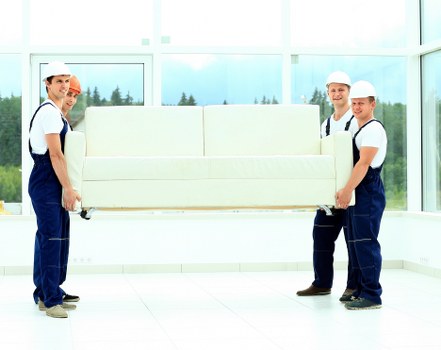
Where a property includes narrow stairs, awkward corners, heavy wardrobes or bulky sofas, the method matters as much as the vehicle. We can support moves where furniture needs protection, padding or a careful route through the building, and where the customer wants items delivered in an organised way rather than stacked at random. If you would like to compare household moving options, see home moves for a broader overview of the type of service we provide.
Useful preparation usually begins with a short list of the rooms and the larger items involved. A customer does not need a full inventory to start a conversation, but it helps to note anything especially fragile, unusually heavy or difficult to reach. If a move includes dismantling or reassembly, that can also be discussed early so the plan reflects the actual work involved. Clear details make for clearer planning, especially when a move needs to fit around a specific collection or access window.
Packing support and careful handling

Packing is often the stage that decides how settled a move feels once the vehicle arrives. Some customers want full packing assistance, while others prefer support only for breakables, ornaments, kitchen contents or items that need extra protection. Our packing and unpacking services sit naturally alongside removals work, because well-packed items are easier to load securely and easier to place neatly at the destination.
Good packing is not only about boxes. It is also about using sensible materials, grouping items by room or purpose, and separating the things that should stay accessible from the items that can be loaded later. Fragile items, electronics, mirrors and framed pieces normally need particular care, while mixed household contents may benefit from clear labelling. That kind of order can make the unloading stage much easier, especially if several rooms need to be set up quickly.
For customers preparing a quote request, it helps to mention whether packing support is needed in full or only for selected items. If there are boxes already prepared, say so; if there are delicate items that need extra attention, mention those too. A brief note about these points is usually enough at the beginning. You can ask for a quotation once the likely scope is clear, and the conversation can then focus on the practical details that matter.
Man and van removals for smaller or simpler loads
Not every move needs a large removals setup. Some customers only need support for a compact flat move, a few large items, or a load that is easier to transport with a smaller vehicle and a hands-on service. Our man and van option suits that kind of work when the task is straightforward but still benefits from careful handling and an organised approach.
A man and van style service is often chosen when the emphasis is on practical lifting, local transport and a flexible schedule rather than a large team. It can work well for sofas, beds, appliances, office chairs, boxed belongings and other items that need more than a standard car journey. The key is to match the vehicle and labour to the actual job, so the move is neither under-resourced nor overcomplicated.
If you are weighing up whether this is the right type of service, think about volume, access and the number of large items involved. A compact move with limited furniture may be entirely suitable, while a larger household relocation may be better served by a fuller removals plan. Either way, the most helpful next step is simple: send the details and request a quotation when you are ready.
Furniture pick-up and single-item transport
Furniture pick-up is useful when you need one item, or a small set of items, collected and delivered with proper handling. That might include a wardrobe, dining table, sofa, bed frame or office furniture that is too cumbersome for a standard vehicle. Our furniture pick-up page reflects the kind of support we offer for these smaller but still important jobs.
This type of work often needs the same care as a full move, just on a narrower scale. The item may need protecting from scuffs, assessed for door widths or carried through a building with limited space. A careful lift and secure transit are important because furniture can be damaged just as easily on a short journey as on a long one. The service is therefore best treated as a proper moving task rather than a casual collection.
If the item is unusually heavy, awkwardly shaped or partly assembled, say that early so the right plan can be discussed. It also helps to note where the item is going and whether there are steps, shared access points or tight turning spaces. These practical points allow the move to be organised efficiently. When the load is clear, the quotation is easier to shape and the day tends to run more smoothly.
Commercial moves and office relocation services

Commercial moves call for a different style of planning from domestic removals because the work often needs to respect working hours, equipment handling and business continuity. Our commercial moves service covers office furniture, desks, chairs, filing, boxed stock and other business contents that need to be transferred with care and with as little disruption as practical.
Where an office or workplace move is involved, the order of the move can matter as much as the transport itself. Some items may need to be loaded late so they can be used up to the end of the working day, while other items may need to arrive first so setup can begin quickly at the new site. For more dedicated workplace support, see office relocation services, which sit alongside our general commercial moving work.
Business customers usually benefit from stating what is moving, what must remain accessible, and whether any equipment needs special handling. That may include IT equipment, shelving, archive boxes or meeting room furniture. If the move involves multiple areas, it helps to identify which items are essential for resuming work quickly and which can be delivered later in the sequence. A clear outline at the start can make the moving plan far more practical.
What affects the quotation

Removal quotes are usually shaped by a handful of practical factors rather than a single number. The size of the load, the number of rooms involved, the presence of heavy or awkward items, the need for packing support and the ease of access at both addresses all contribute to the overall scope. If a property has stairs, restricted parking or long carrying distances, those details are worth mentioning because they affect the work involved.
It also helps to think about the timing of the move, especially if there is a narrow window for collection or delivery. Some jobs are straightforward once the route is clear and the items are listed, while others need additional care because of fragile contents or furniture that has to be dismantled. Our pricing and quotes page is a useful next step if you want to understand how we approach quotations before making contact.
For the clearest quotation request, a short description is usually enough: what needs moving, from where to where, which larger items are included, and whether packing or dismantling is needed. You do not need to overcomplicate it, but a few accurate details will help the estimate reflect the actual job. When the scope is accurate, the quote is more useful, because it is based on the work that genuinely needs doing rather than guesswork.
About Crystal Palace
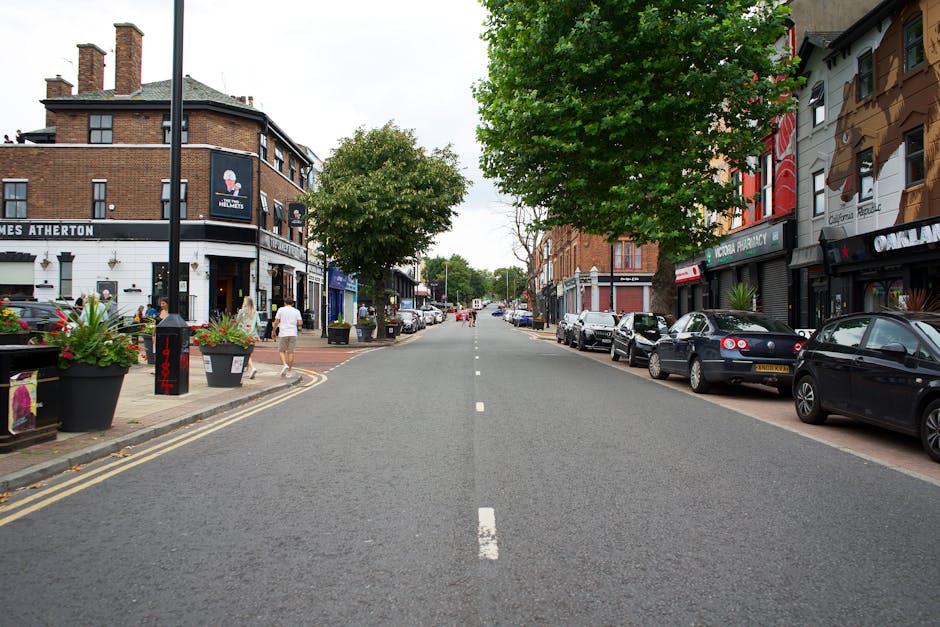
Crystal Palace is an area in south London known for its hilltop position, varied housing and the long cultural shadow of the Crystal Palace exhibition building that once stood nearby. The district takes its name from the great glass building relocated to Sydenham in the 1850s, and although the palace itself was destroyed by fire in 1936, the name remained attached to the surrounding area. Today Crystal Palace is associated with a mix of residential streets, independent shops, local venues and green space, including the well-known park that shares the name. The Crystal Palace Park site occupies a large landscape laid out in the nineteenth century, with lakes, terraces and the famous dinosaur sculptures that have become a distinctive part of its identity. The area also sits on a notable ridge, giving it views across parts of London and helping to shape the character of the streets and open spaces nearby. Transport links, historic terraces and a lively high street make it a recognisable part of the city, while nearby sports and arts use adds to its everyday rhythm. Its built environment reflects different periods of growth, from Victorian and Edwardian housing to later infill and redevelopment, so the area combines heritage features with a busy present-day life.
Household removals with room for careful decisions
Household removals are rarely just about moving everything in one go; they are usually about deciding what matters most, what needs extra protection and what should be handled in a particular order. Our house removals service is intended for customers who want a more complete moving option than a small-item collection, with the practical support needed for family furniture, personal belongings and larger room contents.
A well-run household move typically balances speed and care. Heavy furniture can be handled alongside cartons, cushions, lamps, kitchen equipment and other everyday belongings, but the sequence should suit the property. Large items may be taken first or last depending on access, and fragile goods may need to be separated so they do not get buried under bulkier loads. The right plan depends on the home, the contents and the destination, not on a fixed formula.
It can be helpful to discuss whether any items must be kept accessible during the move day itself, such as essentials for the first night or items that need to be unpacked quickly. That conversation does not have to be lengthy, just accurate. If the move includes a combination of furniture, boxed items and special handling requirements, we can respond to that mix more effectively. The aim is to keep the move orderly without making it unnecessarily complicated.
Vehicles, loading and the practical side of transport
The vehicle used for removals matters because it must suit both the volume and the shape of the load. A van that is too small can create avoidable delays, while a vehicle that is poorly matched to the access or parking conditions can make loading harder than it needs to be. Our related service pages, such as moving van and moving truck, indicate the range of transport options that may be relevant depending on the job.
Loading is not only about getting items into the vehicle. It also involves placing them in a way that helps protect their condition and keeps the journey efficient. Softer items can help buffer harder ones, while heavier pieces usually need stable positioning and sensible weight distribution. If the move contains a mix of furniture, boxes and delicate objects, the loading plan should reflect that mix rather than treating every item the same.
Some customers know exactly what needs to go first; others need a little help deciding the order. Either way, it is useful to mention any items that are unusually long, tall or fragile, because those features influence how they are lifted and placed. A short description, a sensible timeline and clear access details are usually enough to begin. You can start with a simple enquiry and then refine the details as needed.
Removals support, policies and next steps
Customers sometimes want to know how a removals business handles the practical and administrative side of a job as well as the transport itself. Alongside the moving work, it can be useful to understand payment arrangements, insurance matters, safety information and what to do if a service issue needs to be raised. Our site includes helpful pages such as insurance and safety and payment and security, which sit alongside the main removals services for customers who want a clearer picture before booking.
There are also pages covering broader company information and service standards, including about us and complaints procedure, if you want to review those details before making a decision. These pages are not a replacement for a direct discussion about your move, but they can help if you prefer to check the general process first. A sensible moving enquiry is usually built from the basics: what needs moving, how much there is, where it is going and whether any special handling is needed.
If you are ready to move forward, keep your notes brief and practical. Mention the property type, a rough list of large items, any access issues and whether packing or dismantling is needed. That gives the quotation process something solid to work with and helps the next step feel straightforward. Request a quotation when you are ready, and we can take it from there.