Anerley Hill removals guide for narrow access streets
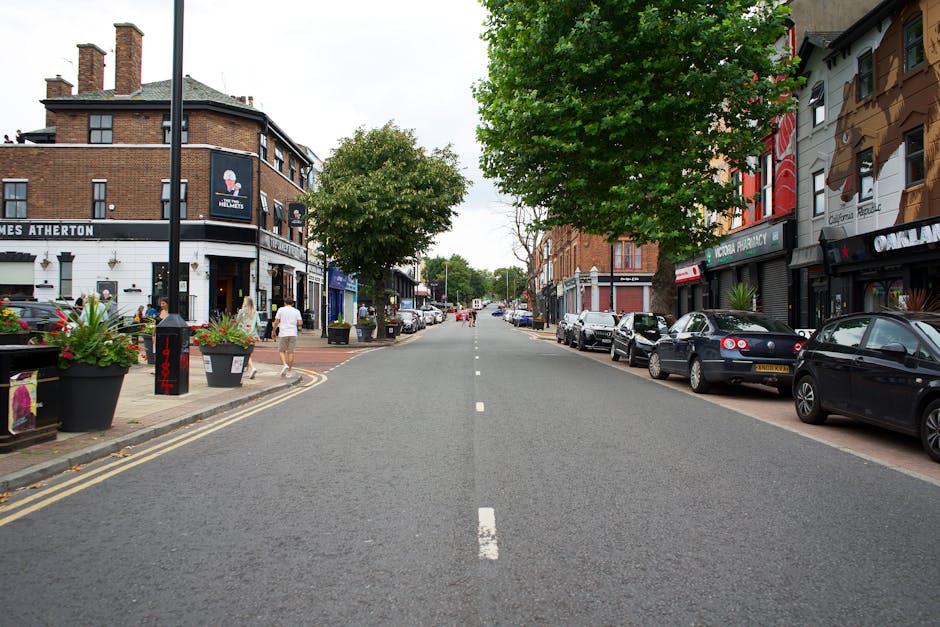
Moving home on Anerley Hill can feel straightforward on a map and awkward in real life. The street looks simple enough until you deal with parked cars, tight turns, steep gradients, narrow pavements, and the awkward dance of getting a sofa past a gatepost without scraping either the wall or your patience. That is exactly why this Anerley Hill removals guide for narrow access streets matters. It is for anyone trying to move safely, efficiently, and without that last-minute panic that usually arrives at about 7:15 on a damp London morning.
In this guide, we will walk through what makes narrow-access removals different, how to plan around it, which vehicles and packing methods work best, and where people tend to get caught out. If you are comparing options, it may also help to look at the full service overview, house removals, or flat removals depending on the size of your move. Let's make the whole thing feel manageable, not chaotic.
Table of Contents
- Why Anerley Hill removals guide for narrow access streets Matters
- How Anerley Hill removals guide for narrow access streets Works
- Key Benefits and Practical Advantages
- Who This Is For and When It Makes Sense
- Step-by-Step Guidance
- Expert Tips for Better Results
- Common Mistakes to Avoid
- Tools, Resources and Recommendations
- Law, Compliance, Standards, or Best Practice
- Options, Methods, or Comparison Table
- Case Study or Real-World Example
- Practical Checklist
- Conclusion
- Frequently Asked Questions
Why Anerley Hill removals guide for narrow access streets Matters
Narrow access streets change the rules of moving day. On a normal road, a removals team can often park close to the front door, open the tail lift or van doors, and get on with it. On a tighter stretch of Anerley Hill, the job becomes less about brute force and more about planning, timing, and judgement.
That matters because the risks are not abstract. A poorly positioned van can block traffic. A rushed carry can damage skirting boards, banisters, door frames, or the furniture itself. And when the access is cramped, every extra trip eats time. You can almost hear the clock ticking while someone carries a chest of drawers the long way round.
For local moves in and around Crystal Palace, these access issues often overlap with other practical concerns such as stair-only properties, split-level flats, and awkward loading points. If that sounds familiar, our man with a van service and man and van option are often the sort of setup people explore when the move is smaller but the access is still tricky.
Expert summary: On narrow streets, the real work happens before the van arrives. Measuring, pre-sorting, loading in the right order, and planning the parking position usually make more difference than speed on the day.
In other words, the street itself becomes part of the removal plan. Ignore it and the whole move can wobble. Respect it, and things usually go much more smoothly.
How Anerley Hill removals guide for narrow access streets Works
The process for a narrow-access move is usually a little more layered than a standard house removal. It starts with a proper assessment of the property and the road. That means checking the width of access, noting steps, gates, corners, and any point where the furniture has to turn, lift, or tilt.
From there, the move is planned around the vehicle size, the order of loading, and the safest point to park. Sometimes a smaller vehicle is the better answer. Sometimes the larger van can work if the route is carefully managed and access is controlled. There is no magic trick. Just careful choices.
The practical side usually looks something like this:
- Access review: Identify bottlenecks, parking limits, and awkward carrying distances.
- Item audit: List bulky or fragile items early, especially wardrobes, beds, glass tables, and anything unusually heavy.
- Packing plan: Pack in a way that supports quick loading and stable stacking.
- Vehicle choice: Match the removals vehicle to the street, not just the volume of belongings.
- Loading strategy: Put the heaviest and most stable items in first, then build around them.
- Walking route: Set a clear carrying path from property to van, with as few pinch points as possible.
This is where services like a suitable removal van and professional removal services become especially useful. A good team is not just moving boxes; they are solving a small logistics puzzle. And honestly, that is what saves the day.
For some households, storage is part of the answer too. If access is tight and completion dates do not line up neatly, using storage in Crystal Palace can reduce pressure and keep the move from becoming a last-minute scramble.
Key Benefits and Practical Advantages
A well-planned narrow-street removal does more than avoid mishaps. It can also make the move calmer, cleaner, and often quicker. That may sound obvious, but the difference is real when the road is tight and everyone is trying not to bump into each other.
- Less damage risk: Careful planning reduces knocks to furniture, walls, and doorways.
- Better time control: A planned carry route and appropriate vehicle save repeated back-and-forth trips.
- Lower stress: You are not improvising while the van sits half-blocked in the street.
- Safer lifting: Good access planning means fewer awkward turns and less strain on the people carrying.
- Cleaner packing discipline: People tend to pack better when they know the job has to move efficiently.
There is also a financial upside, although it is not always talked about enough. If access is handled badly, time overruns and accidental damage can become expensive. If it is handled well, you may need fewer labour hours and fewer emergency fixes. To be fair, that is one of the quiet wins of hiring people who actually understand local street layouts.
If you want a sense of how pricing is structured, the pages on pricing and quotes and our prices are useful starting points for comparing move sizes and service levels.
Who This Is For and When It Makes Sense
This guide is especially useful if you are moving from or to a property where the road is tight, the parking is limited, or the access is more "careful shuffle" than "easy pull-up." That includes many flats, terraced homes, converted buildings, and smaller houses around the Anerley Hill and Crystal Palace area.
You will likely benefit most if you are:
- moving from a flat with narrow stairs or a shared entrance
- handling a family house move with bulky furniture
- moving a student load or smaller household where speed matters more than large capacity
- managing a same-day move and cannot afford delays
- moving office equipment through a constrained loading point
- transporting specialist items like a piano or oversized furniture
For students and smaller loads, the dedicated student removals page may fit the kind of practical, lighter-touch move that narrow streets often demand. For heavier items, the furniture removals service is usually the more relevant route. And if the item is especially delicate or heavy, such as a keyboard or upright, piano removals is the page to look at.
Sometimes the fit is obvious. Sometimes it is not. If you are unsure, that is normal. Narrow access moves are one of those things where a quick assumption can be the expensive bit.
Step-by-Step Guidance
Here is a practical way to approach an Anerley Hill removal when access is tight. Think of it as the quiet, sensible version of moving day.
1. Survey the access properly
Measure gates, hallways, stair turns, and any outdoor pinch points. If you can, take photos from the street to the front door and from the front door to the largest room. Photos help more than people expect. They show the thing words often miss.
2. Identify the awkward items first
List the items that are hard to carry: wardrobes, mattresses, desks, sideboards, mirrors, and anything unusually heavy or fragile. These are the pieces that determine the move plan, not the easy boxes of books.
3. Decide what can be dismantled
Flat-pack furniture, bed frames, some tables, and modular shelving often move better when dismantled. Keep screws and fittings in labelled bags. It sounds basic. It is basic. But basic saves time.
4. Pack for the route, not just for the box
Use smaller boxes for books and heavy items. Avoid overfilling large boxes, especially where stairs or tight turns are involved. The lighter the box, the less likely someone is to make a regrettable face halfway down the steps.
5. Reserve access space where possible
If your property allows it and you are able to do so legally and sensibly, make sure the loading point is clear. If parking is limited, this can be the difference between a neat, controlled move and a street full of guesswork.
6. Load in the right order
Heavier items should usually go in first, with fragile or frequently needed items protected and kept accessible. The order matters because a bad load can create wasted time on arrival. Nothing glamorous there, but very important.
7. Keep a small first-night kit separate
Put essentials in one clearly marked bag: kettle, charger, toiletries, documents, medication, and a change of clothes. On a narrow-access move, the last thing you want is to hunt for a toothbrush under a stack of cushions.
If you are moving from an upstairs flat or a compact conversion, flat removals may be the most appropriate service page to review before you book.
Expert Tips for Better Results
Over time, one thing becomes obvious: narrow-access moves are won by small details. Not dramatic heroics. Small details.
- Protect the route first: Use floor runners, blankets, and corner protection where needed before the big items start moving.
- Measure the widest item twice: Sofas and headboards are often the surprise problem, not the box mountain.
- Keep communication short and clear: One person should direct the carry path. Too many voices slow everything down.
- Schedule with daylight if possible: Narrow streets are simply easier to judge when you can see the kerb, stairs, and parked cars properly.
- Expect one awkward item: There is nearly always one thing that refuses to cooperate. Plan for it instead of pretending it will behave.
A useful local habit is to walk the route the evening before. Stand at the front door, look back toward the van point, and imagine carrying a bulky item through every turn. It takes two minutes, maybe three, and it can reveal a pain point you would otherwise discover while sweating in the doorway. Not ideal.
For moves where bulky furniture is the main challenge, the article on bulky furniture removals has some useful related pointers too.
Common Mistakes to Avoid
Narrow streets punish sloppy planning. Most mistakes are avoidable, but they tend to show up at the worst possible moment. Here are the big ones.
- Booking the wrong-sized vehicle: Bigger is not always better if the street cannot comfortably accommodate it.
- Ignoring parking realities: A move plan that relies on "there should be space" is not a plan.
- Packing heavy boxes too large: This creates lifting risks and slows the whole job.
- Forgetting stair turns and handrails: The route inside the property can be as important as the road outside.
- Leaving dismantling too late: Last-minute screwdriver work is a classic moving-day headache.
- Not flagging fragile items early: If a team does not know an item is fragile, it may be treated like ordinary cargo.
Another easy mistake is underestimating how much time access adds. A short hop on paper can become a sequence of careful carries, pauses, and repositioning. That is not a failure; it is just reality. The useful move is to plan for it.
Tools, Resources and Recommendations
You do not need a warehouse full of kit to handle a narrow access move, but a few basics make life much easier. In most cases, the right tools are boring, which is exactly what you want.
- Strong boxes in mixed sizes: Small and medium boxes are safer for heavy items and easier through tight spaces.
- Furniture blankets: Good for protecting table edges, wardrobes, and painted surfaces.
- Stretch wrap and tape: Helps keep drawers shut and stops loose parts wandering off.
- Labels and marker pens: Save confusion when rooms are packed closely together.
- Basic tools: Screwdrivers, Allen keys, and a small bag for fixings.
- Protective floor coverings: Handy in wet weather or where surfaces are easy to mark.
For general packing support, packing and boxes is a practical place to start. If you are still weighing up whether to handle the move in stages or one go, some people also use same day removals when timing is especially tight.
And if you are comparing companies rather than just looking for a man and van, the pages on removal companies in Crystal Palace and removals in Crystal Palace can help you understand the wider service picture.
Law, Compliance, Standards, or Best Practice
For narrow-access removals, the main compliance issues are usually practical rather than dramatic: safe lifting, sensible loading, careful parking, and property protection. UK removals work is expected to follow ordinary health and safety best practice, including reducing manual handling risks and making reasonable efforts to protect the property and the people involved.
That means a good operator should think about:
- safe lifting and carrying methods
- clear communication among the team
- appropriate vehicle choice for the street
- protecting floors, walls, and door frames
- insurance cover suitable for the work being done
If you are booking a removals firm, it is sensible to ask how they handle access risks, what their insurance arrangements are, and how they manage damaged access points. You do not need a lecture; you need a straightforward answer. The same goes for terms and payment. Clear expectations are a form of safety too.
For a closer look at operational standards and customer reassurance, insurance and safety, health and safety policy, and terms and conditions are the most relevant supporting pages here.
There is also a trust angle. If a company explains how it handles risk, that is usually a better sign than a vague promise to "do it all."
Options, Methods, or Comparison Table
Choosing the right move method for a narrow street depends on what you are moving, how much there is, and how restricted the access really is. Here is a simple comparison.
| Method | Best for | Strengths | Watch-outs |
|---|---|---|---|
| Man and van | Smaller moves, light flats, quick local transport | Flexible, often easier to place on narrow roads | Less suited to large furniture or full households |
| Standard house removals | Family homes, larger inventories, multiple bulky items | Better for structured loading and larger team support | Vehicle size and parking need more thought |
| Same-day removal | Urgent moves or last-minute access changes | Useful when time is short | Limited flexibility if the street layout is not pre-checked |
| Storage-first move | Delayed completion, renovation, or staged relocation | Reduces pressure and split-move stress | Requires extra coordination and maybe a second move |
If you are moving an office rather than a home, the access questions are similar but the equipment risk is often higher. In that case, office removals may be the better fit.
Case Study or Real-World Example
Imagine a two-bedroom flat on a tight stretch near Anerley Hill with a narrow staircase, a shared hallway, and limited parking directly outside. Nothing dramatic. Just the kind of move that looks simple until you start carrying things.
In a situation like that, the successful approach usually looks like this: smaller boxes for books, sofas measured in advance, bed frames dismantled, and the van parked so the walking route is as direct as possible. The team moves the awkward items first while everyone is still fresh. Fragile items go in separate wraps. The kettle and essentials are kept aside. Quietly, the day starts to feel under control.
Now picture the alternative. No access notes. A van too large for the road position. Heavy boxes packed to the brim. A wardrobe still assembled. By mid-morning, the job has become slower, noisier, and more stressful than anyone planned. It is not exactly a disaster, but it is the kind of day you remember for the wrong reasons.
That is the real difference narrow-access planning makes. Not perfection. Just fewer avoidable problems, and a move that feels human-sized.
Practical Checklist
Use this checklist the day before and on the morning of the move. It is simple, but that is the point.
- Measure the front access, stair turns, and any tight internal corners
- Confirm the largest furniture items and note anything that must be dismantled
- Pack heavy items into smaller boxes
- Label fragile boxes clearly
- Keep screws, bolts, and fittings in one bag per item
- Set aside a first-night essentials bag
- Check parking and loading arrangements
- Protect floors, bannisters, and door frames where needed
- Tell the removals team about access limits in advance
- Make sure mobile numbers are charged and reachable
Quick sanity check: if you had to carry your biggest item through the route by yourself, would it fit without drama? If the answer is maybe, you probably want a better plan.
Get a free quote today and see how much you can save.
Conclusion
Narrow access streets on Anerley Hill do not have to turn moving day into a headache. With proper planning, the right vehicle, sensible packing, and a team that understands local access issues, the whole process becomes much easier to manage. A good move is rarely about rushing. It is about making the right decisions early, then letting the day unfold without unnecessary surprises.
If you are comparing options now, start with the practical pages that match your move size, your timing, and your risk level. That way you are not guessing. You are choosing. And that difference matters more than people think.
Sometimes the calmest move is the one that was carefully prepared the night before, with a cuppa on the side and the big boxes already labelled. A small thing, really. But small things add up.
Frequently Asked Questions
What makes narrow access streets harder for removals?
They limit parking, make carrying routes longer, and reduce the room available for turning furniture or manoeuvring a van. That means more planning is needed before the move starts.
Can a removal van fit on Anerley Hill?
Sometimes yes, sometimes not comfortably. It depends on the exact parking position, nearby traffic, and the width of the street. A pre-move access check is the sensible way to judge it.
Is a man and van service better for narrow streets?
For smaller loads, often yes. A more compact setup can be easier to position on tight roads and quicker to load when access is awkward.
How far in advance should I plan a narrow-access move?
As early as possible, ideally once you know the move date. Even a short local move benefits from access photos, item measurements, and a clear loading plan.
Do I need to dismantle furniture before moving day?
Not everything, but bulky items such as bed frames, some tables, and modular furniture often move more safely when dismantled. It saves space and reduces the risk of damage.
What boxes should I use for heavy items?
Smaller boxes are usually safer for books, tools, and dense household items. Large boxes can become too heavy very quickly, which is exactly what you do not want on stairs or tight paths.
What if parking is difficult outside my property?
That should be flagged early. The team may need to adjust vehicle choice, timing, or loading position. The key is to avoid discovering the problem when the van has already arrived.
Is same-day removal realistic for a narrow street move?
It can be, provided the access is understood and the move is not too large. The tighter the street, the more important it is to keep expectations realistic and avoid rushed assumptions.
What should I tell the removals team before the move?
Tell them about stairs, parking limits, the size of your biggest items, any awkward turns, and whether anything needs dismantling. The more they know, the less likely the day is to surprise anyone.
Can storage help if my move date is uncertain?
Yes. Storage is often a practical solution when completion dates slip, access is too tight for a full same-day move, or you want to split the move into stages.
How do I know if I need specialist furniture removals?
If you have unusually heavy, delicate, or oversized pieces, specialist handling is usually the safer choice. That includes large wardrobes, antiques, mirrors, and pianos.
Should I compare prices before booking?
Absolutely. It is sensible to compare the type of service, not just the headline number. A slightly better-planned quote can be better value than a cheaper one that does not account for access properly.
Where can I check the company's service and policy details?
Useful starting points are the about us page, the insurance and safety information, and the removal companies in Crystal Palace page if you are comparing providers.
What is the biggest mistake people make on narrow-access moves?
Assuming the street will be fine on the day without checking it properly. That one assumption causes a surprising amount of stress, and it is usually avoidable.